
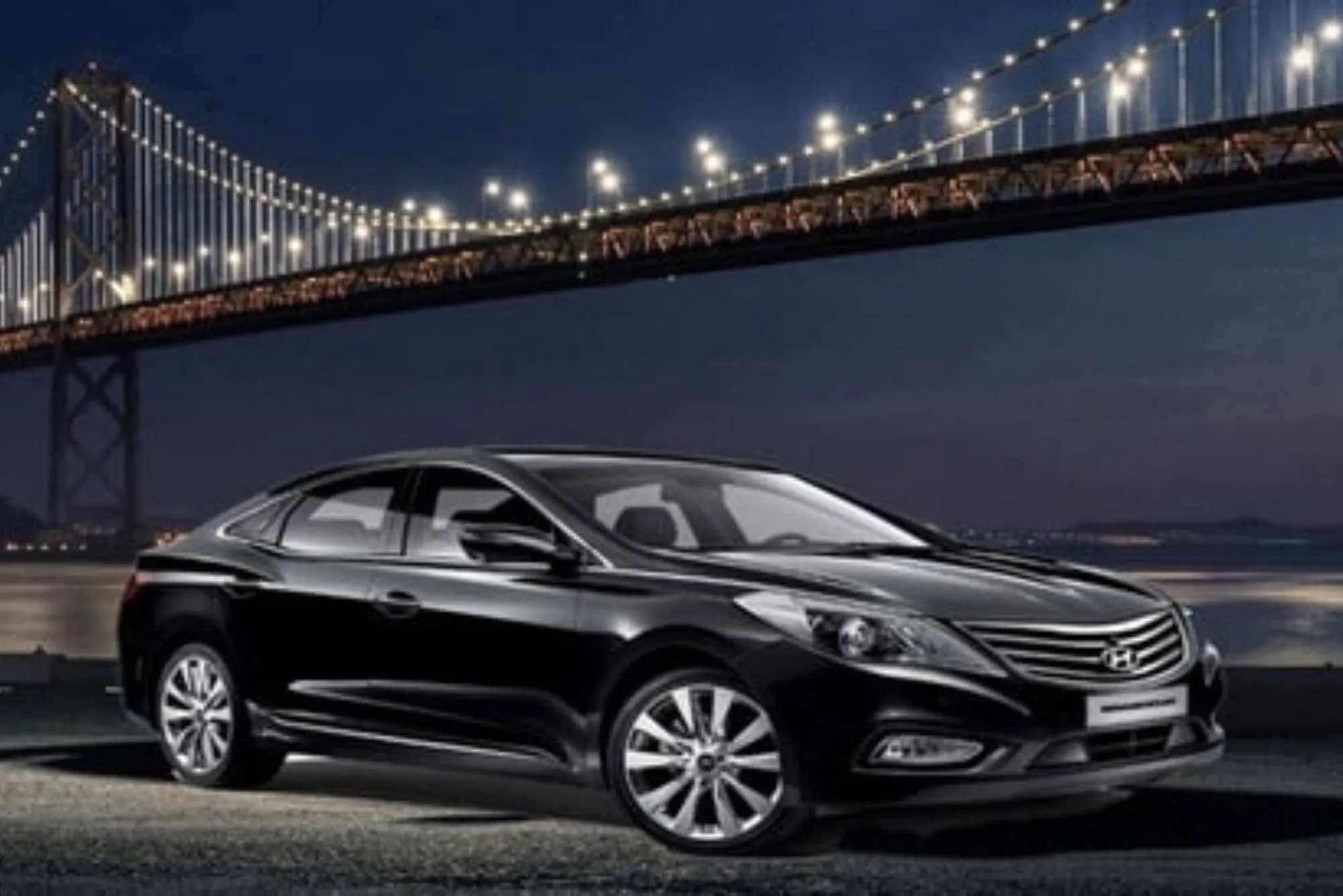
Renting a car in Baku offers an unparalleled level of freedom and convenience, allowing you to explore the city’s vibrant streets and the picturesque landscapes that surround it. For travelers and locals alike, the flexibility of having a personal vehicle can significantly enhance their experience in the capital of Azerbaijan. However, a common challenge that many face is the deposit requirement typically imposed by car rental companies. This requirement can be a hurdle, especially for those who are traveling on a budget or who prefer not to have their funds tied up during their trip. The question arises: Is it possible to rent a car in Baku without a deposit? This comprehensive guide will explore the possibilities, alternative options, and potential trade-offs involved in securing a deposit-free car rental in Baku.
Understanding the Deposit Requirement
When renting a car in Baku, the deposit is a crucial element of the rental agreement. It’s a sum of money held by the rental company to protect against various risks associated with lending out a vehicle. While this deposit is typically refunded at the end of the rental period, it serves as a financial safeguard for the company.
The deposit primarily protects the rental company from potential issues that could arise during the rental period. If the car is damaged, for instance, the deposit helps cover the repair costs. This could range from minor scratches to significant damage due to an accident. In cases where traffic violations occur, such as speeding or parking tickets, the rental company may use the deposit to settle these fines if the renter doesn’t do so. Although rare, the risk of vehicle theft also exists. In such cases, the deposit acts as partial compensation for the loss.
Additionally, the deposit ensures compliance with the rental agreement’s terms, such as returning the vehicle with the same level of fuel it had at the start. If the car is returned with less fuel, the deposit might cover the cost of refueling. If the car is returned late, the rental company may charge additional fees, which can be deducted from the deposit.
The deposit amount can vary based on several factors. For instance, luxury vehicles or newer models typically require higher deposits due to their value. The length of the rental period also influences the deposit amount, with longer rentals often requiring a higher deposit due to the extended period the car is out of the company’s control. Insurance coverage plays a role as well. Renters who opt for basic insurance might face higher deposit requirements, as the rental company has less financial protection. On the other hand, choosing comprehensive insurance could reduce or even eliminate the deposit.
The deposit is usually held in one of a few ways. The most common method is a credit card hold, where the rental company temporarily freezes a portion of the renter’s credit limit. This hold is not an actual charge but prevents the funds from being used elsewhere until the rental period ends and the hold is released. Some companies may accept a debit card hold, though this is less common, as it often involves an actual withdrawal of funds that are later refunded. In some cases, particularly with smaller or local companies, a cash deposit might be accepted, which is then refunded at the end of the rental period if the vehicle is returned without issues.
Once the vehicle is returned, the rental company will inspect it to ensure it is in the same condition as when it was rented and that the terms of the agreement, such as fuel levels and return time, have been met. If everything is in order, the process of refunding the deposit begins. For credit card holds, this typically means releasing the hold, allowing the funds to become available again within a few business days. For debit card holds or cash deposits, the refund process might take a little longer, depending on the company’s policies and banking procedures.
Before delving into the alternatives, it’s essential to understand why car rental companies require a deposit in the first place. The deposit serves as a form of financial security for the rental company. It is a safeguard against various potential risks that could arise during the rental period, such as damage to the vehicle, traffic violations, theft, or even the failure to return the car on time. Essentially, the deposit is a way for the rental company to mitigate the financial risk associated with renting out a vehicle.
The amount of the deposit can vary widely depending on several factors, including the type of vehicle, the length of the rental period, the renter’s driving history, and the specific policies of the rental company. For example, luxury vehicles or newer models typically require a higher deposit due to their higher value. Similarly, longer rental periods might also result in a higher deposit requirement, as the vehicle is out of the rental company’s control for an extended period. In many cases, the deposit is held on the renter’s credit card and is released once the vehicle is returned in the same condition as it was rented.
While this practice is standard across most car rental companies, it can be a significant inconvenience for renters. The deposit amount, which can range from a few hundred to several thousand dollars, is often unavailable for the duration of the rental, which can affect a renter’s ability to manage their travel budget. This has led many to seek alternatives, including deposit-free rental options.
Exploring Deposit-Free Car Rental Options
The concept of renting a car without a deposit is appealing, particularly for those who wish to avoid having a large sum of money held during their rental period. In Baku, some rental companies do offer options that allow renters to avoid paying a traditional deposit, though these options often come with specific conditions or trade-offs.
Comprehensive Insurance Coverage
One of the most common ways to rent a car in Baku without a deposit is by purchasing comprehensive insurance coverage from the rental company. Comprehensive insurance provides a higher level of protection for the vehicle, covering not only basic damage but also more extensive repairs, theft, and even third-party liabilities. By opting for comprehensive insurance, renters can often bypass the need for a deposit, as the insurance effectively reduces the financial risk for the rental company.
However, while this option eliminates the upfront deposit, it usually results in a higher overall cost for the rental. Comprehensive insurance can significantly increase the daily rental rate, which may or may not be cost-effective depending on the length of the rental and the value of the vehicle. It’s essential for renters to carefully consider whether the added cost of insurance is worth the convenience of avoiding a deposit.
Credit Card Authorization
Another alternative to a traditional cash deposit is the use of a credit card authorization. In this scenario, instead of requiring a deposit to be paid upfront, the rental company places a hold on a certain amount of funds on the renter’s credit card. This hold is not an actual charge but rather a temporary freeze on a portion of the credit limit. The hold amount is typically equivalent to the deposit that would otherwise be required.
Once the rental period is over and the vehicle is returned in good condition, the hold is released, and the funds become available again on the renter’s credit card. This method allows renters to avoid paying a deposit in cash, which can be particularly beneficial for those who need liquidity during their travels. However, it’s important to note that while the funds are on hold, they are not accessible, which could impact the renter’s ability to use their credit card for other expenses.
Credit card authorization is a common practice among rent a car baku international car rental companies and is also available in Baku. Renters should ensure they have sufficient credit available on their card to cover the hold amount, as well as any additional charges they may incur during their rental.
Local Car Rental Agencies
In Baku, smaller, local car rental agencies may offer more flexibility regarding deposit requirements. These companies, often operating with a smaller fleet and more personalized service, may be willing to negotiate terms with customers, especially for long-term rentals or repeat business. For example, a local agency might be more inclined to waive the deposit if the renter agrees to certain conditions, such as purchasing insurance, paying a higher daily rate, or providing a reference.
Local agencies might also offer promotions or deals rent a car baku that include deposit-free rentals as an incentive to attract customers. These promotions are typically seasonal or tied to specific marketing campaigns, so it’s worth checking with local rental companies to see if any such offers are available at the time of booking.
While renting from a local agency can provide more flexibility, it’s crucial to thoroughly review the terms and conditions of the rental agreement. Some local agencies might have less stringent standards for vehicle maintenance or customer service, so renters should ensure that they are dealing with a reputable company.
Peer-to-Peer Car Sharing
Peer-to-peer (P2P) car sharing is a growing trend in the rental industry, offering a unique alternative to traditional car rental services. This model connects individuals who own cars with those who need to rent a vehicle, often resulting in more flexible rental terms and potentially lower costs. In Baku, P2P car sharing is becoming increasingly popular, providing travelers with additional options for renting a car without the need for a large deposit. Here’s an in-depth look at how peer-to-peer car sharing works and what you need to know when considering this option.
How Peer-to-Peer Car Sharing Works
Peer-to-peer car sharing platforms operate by facilitating transactions between car owners and renters. The process generally involves the following steps:
Listing a Vehicle:
Car owners list their vehicles on a P2P car sharing platform. They provide details about the car, including its make, model, year, and features, along with the rental price and availability. Some platforms also allow owners to set their own rental terms and conditions.
Searching for a Rental:
Renters use the platform to search for available vehicles based on their location, dates, and preferences. The platform typically provides a range of options, including different types of cars and rental rates.
Booking a Car:
Once a renter finds a suitable vehicle, they can book it directly through the platform. The booking process often includes verifying the renter’s identity, reviewing the terms of the rental, and agreeing to any additional conditions set by the car owner.
Picking Up and Returning the Vehicle:
On the rental day, the renter arranges to pick up the vehicle from the owner. This might involve meeting at a designated location or using a key exchange service provided by the platform. After the rental period ends, the vehicle is returned to the owner, and the transaction is completed.
Benefits of Peer-to-Peer Car Sharing
One of the primary advantages of P2P car sharing is the rent a car baku flexibility it offers. Car owners and renters often have more control over the rental terms compared to traditional rental companies. This flexibility can include negotiating rental rates, agreeing on deposit terms, and even customizing the rental experience with additional services or amenities.
Renters also benefit from potentially lower costs. Because P2P platforms typically have lower overhead expenses than traditional rental companies, they can offer more competitive pricing. Additionally, some car owners may be willing to waive the deposit or offer discounts, especially if the renter agrees to certain conditions or if they book during a slower period.
Another significant benefit is the variety of vehicles available. P2P car sharing platforms often feature a diverse range of vehicles, from luxury cars to everyday models and even specialty vehicles like electric cars or convertibles. This variety allows renters to find a car that perfectly suits their needs and preferences.
Considerations and Potential Risks
While P2P car sharing offers many advantages, there are rent a car baku also some considerations and potential risks to be aware of. One of the primary concerns is the level of insurance coverage. Unlike traditional rental companies that provide standardized insurance options, the insurance provided in P2P car sharing can vary significantly. It’s crucial to thoroughly review the insurance policy offered by the platform and ensure it covers potential risks, such as accidents, theft, and damage.
The condition of the vehicle is another important consideration. Since P2P car sharing involves renting directly from car owners, the maintenance and cleanliness of the vehicle may not always meet the standards of a traditional rental company. Renters should inspect the vehicle carefully before accepting it and ensure that it is in good working order.
Another potential risk is the reliability of the car owner. While many car owners are responsible and trustworthy, others might not be as diligent in maintaining their vehicles or fulfilling their obligations. Reading reviews from previous renters and communicating directly with the car owner can help mitigate this risk.
Finding the Right Peer-to-Peer Car Sharing Platform
When choosing a P2P car sharing platform in Baku, it’s essential to select one that is reputable and well-regarded. Look for platforms with positive reviews, a user-friendly interface, and a robust support system. Some popular P2P car sharing platforms include Turo, Getaround, and Drivy, although availability may vary by region.
Ensure that the platform offers comprehensive insurance coverage and has clear policies regarding deposits, rental terms, and dispute resolution. Many platforms provide insurance options that cover both the vehicle and the renter, but the specifics can vary. Verify that the insurance meets your needs and provides adequate protection for your rental.
Peer-to-peer car sharing presents a flexible and potentially cost-effective alternative to traditional car rentals in Baku. By connecting renters with individual car owners, P2P platforms offer a diverse range of vehicles and customizable rental terms. However, it’s important to carefully review the insurance coverage, inspect the vehicle, and ensure that you’re using a reputable platform. With the right approach, P2P car sharing can provide a convenient and enjoyable rental experience, allowing you to explore Baku with greater ease and flexibility.
Peer-to-peer car-sharing platforms have gained popularity in recent years, offering an alternative to traditional car rental companies. These platforms allow individuals to rent out their personal vehicles to others, often with more flexible terms and lower costs. In Baku, peer-to-peer car sharing is becoming more common, providing renters with a wider range of vehicles and rental terms to choose from.
One of the key advantages of peer-to-peer car sharing is the potential for more lenient deposit requirements. Since the rental terms are often negotiated directly between the car owner and the renter, there may be room for flexibility regarding deposits. In some cases, the owner may waive the deposit requirement entirely, especially if the renter is willing to pay a higher rate or provide a reference.
However, it’s important to approach peer-to-peer rentals with caution. Unlike established rental companies, peer-to-peer platforms may have less rigorous standards for vehicle maintenance, insurance coverage, and dispute resolution. Renters should carefully review the terms of the rental agreement, including the insurance coverage provided by the platform, to ensure they are adequately protected.
Insurance Considerations for Deposit-Free Rentals
When renting a car in Baku without a deposit, insurance considerations become paramount. The absence of a traditional deposit, which usually serves as a security measure for potential damages or liabilities, makes having comprehensive insurance coverage even more critical. Here’s a detailed overview of the insurance options and considerations to ensure you’re fully protected during your deposit-free rental.
Understanding Insurance Options
Collision Damage Waiver (CDW) is a common insurance offering that covers damage to the rental vehicle in case of an accident. While CDW significantly reduces your financial liability, it often comes with limitations. For example, it may not cover damage to certain parts like tires or windows, or damage resulting from reckless driving. Typically, CDW policies include a deductible—the amount you need to pay out-of-pocket before the insurance kicks in. It’s essential to check the specifics of CDW coverage, including what is and isn’t included, to avoid unexpected costs.
Theft Protection (TP) is crucial for deposit-free rentals as it covers the cost if the vehicle is stolen. This insurance helps mitigate the risk of loss due to theft. TP insurance generally covers the vehicle if stolen, but it may not cover theft if the vehicle was left unsecured or with the keys inside. Ensure that TP coverage meets your needs and includes theft from both secured and unsecured locations.
Supplemental Liability Insurance (SLI) provides coverage for damages or injuries caused to other people or property in an accident where you are at fault. This type of insurance protects you from substantial third-party claims and offers higher coverage limits than standard liability coverage. SLI often includes legal costs and compensation claims, offering extra protection beyond the basic rental agreement.
Personal Accident Insurance (PAI) covers medical expenses for you and your passengers in the event of an accident. Though not always included in standard rental packages, PAI can be an important addition. It typically covers medical treatments, hospital visits, and emergency care, providing a safety net for you and your passengers.
Evaluating Insurance Coverage
When opting for deposit-free rentals, evaluating the insurance coverage is crucial. Coverage limits should be sufficient for the vehicle you are renting and the potential risks involved. Higher-value or luxury vehicles may require higher coverage limits to ensure full protection.
Exclusions and deductibles are important aspects to review. Exclusions might include specific types of damage or scenarios not covered by the policy, while deductibles are the amounts you would need to pay before the insurance covers the rest. Understanding these details helps in managing financial responsibilities in case of a claim.
Additional coverage options might be available for enhanced protection. Options like Super CDW provide lower deductibles or fewer exclusions, and Extended TP can cover theft from various locations. Consider these options if basic coverage does not meet your needs.
Verification and documentation are essential to ensure that the insurance is from a reputable provider and meets local legal requirements. Obtain clear documentation and confirmation of the insurance coverage and keep it with you during the rental period.
Using Credit Card Insurance
Many credit cards offer rental car insurance as a benefit. Before relying on this insurance, confirm the details with your credit card issuer. Credit card insurance often covers collision damage and may include additional benefits, but it may also have limitations or exclusions. Ensure that it complements or exceeds the coverage offered by the rental company.
Comparing Insurance Costs
Opting for deposit-free rentals may lead to higher insurance costs. Compare the insurance options provided by the rental company with those available through third-party providers or credit card benefits. Look for competitive rates and comprehensive coverage to ensure the best value for your money.
Final Checks and Considerations
Before finalizing your rental agreement, perform final checks to ensure adequate protection. Review the rental agreement to confirm the insurance coverage details and terms. Inspect the vehicle thoroughly to document any existing damage and avoid disputes upon return. Don’t hesitate to ask the rental company or peer-to-peer platform for clarification on insurance-related questions.
Choosing a deposit-free car rental in Baku requires careful consideration of insurance coverage to protect against potential risks. By understanding the available insurance options, evaluating coverage limits, and considering additional protection, you can ensure a secure and worry-free rental experience. Whether opting for insurance from the rental company, using credit card benefits, or exploring third-party options, these precautions will help you enjoy your time in Baku with confidence and peace of mind.
Insurance plays a critical role in securing a deposit-free rental. When a rental company waives the deposit requirement, it is often because the renter has opted for an insurance package that covers the potential risks associated with the rental. Comprehensive insurance, as mentioned earlier, is one such option that can eliminate the need for a deposit by transferring the risk from the renter to the insurance provider.
It’s important to understand the different types of insurance available and what they cover:
Collision Damage Waiver (CDW):
This type of insurance covers damage to the rental vehicle in the event of an accident. It typically reduces the renter’s liability to a fixed amount (known as the excess) and may be required for deposit-free rentals.
Theft Protection (TP):
Theft protection covers the rental vehicle in case it is stolen during the rental period. Like CDW, it reduces the renter’s liability to a fixed amount.
Supplemental Liability Insurance (SLI):
This insurance provides coverage for damage to third parties, including their property, in the event of an accident. It is often required in addition to CDW and TP for deposit-free rentals.
Personal Accident Insurance (PAI):
PAI covers medical expenses for the renter and passengers in the event of an accident. While not typically required for deposit-free rentals, it is an option for renters seeking additional protection.
When opting for deposit-free rentals, renters should carefully review the insurance options provided by the rental company and ensure they understand the coverage limits and exclusions. In some cases, rental companies may offer insurance packages that bundle multiple types of coverage together, making it easier for renters to secure a deposit-free rental.
Weighing the Costs and Benefits of Deposit-Free Rentals
While the idea of renting a car in Baku without a deposit is attractive, it’s important to weigh the costs and benefits before making a decision. Deposit-free rentals often come with trade-offs that can impact the overall cost and convenience of the rental.
One of the most significant trade-offs is the cost of insurance. As mentioned earlier, opting for comprehensive insurance to avoid a deposit can significantly increase the daily rental rate. For short-term rentals, this added cost may be negligible, but for longer rentals, it can add up quickly. Renters should calculate the total cost of the rental, including insurance, and compare it to the cost of a traditional rental with a deposit to determine which option is more cost-effective.
Another consideration is the availability of deposit-free options. While some rental companies in Baku offer deposit-free rentals, these options may be limited to certain vehicle types or rental periods. Renters with specific vehicle preferences or who need a car for an extended period may find that their options are limited, requiring them to either pay a deposit or choose a different rental company.
Finally, it’s important to consider the peace of mind that comes with a deposit-free rental. For many renters, the convenience of not having a large sum of money tied up during their trip is worth the added cost of insurance or a higher rental rate. However, others may prefer the security of knowing that they will receive their deposit back at the end of the rental period, provided the vehicle is returned in good condition.
while it is possible to rent a car in Baku without a deposit, it requires careful consideration of the available options and the potential trade-offs involved. Whether you choose to purchase comprehensive insurance, use credit card authorization, rent from a local agency, or explore peer-to-peer car-sharing platforms, it’s essential to understand the terms and conditions of the rental agreement and weigh the costs against the benefits.
For those who prioritize convenience and flexibility, deposit-free rentals can be an excellent option, allowing you to enjoy your time in Baku without the worry of a large deposit. However, for others, the traditional deposit model may offer more peace of mind and potentially lower overall costs. By thoroughly researching your options and making an informed decision, you can find the rental solution that best fits your needs and ensures a smooth and enjoyable experience in Baku.