
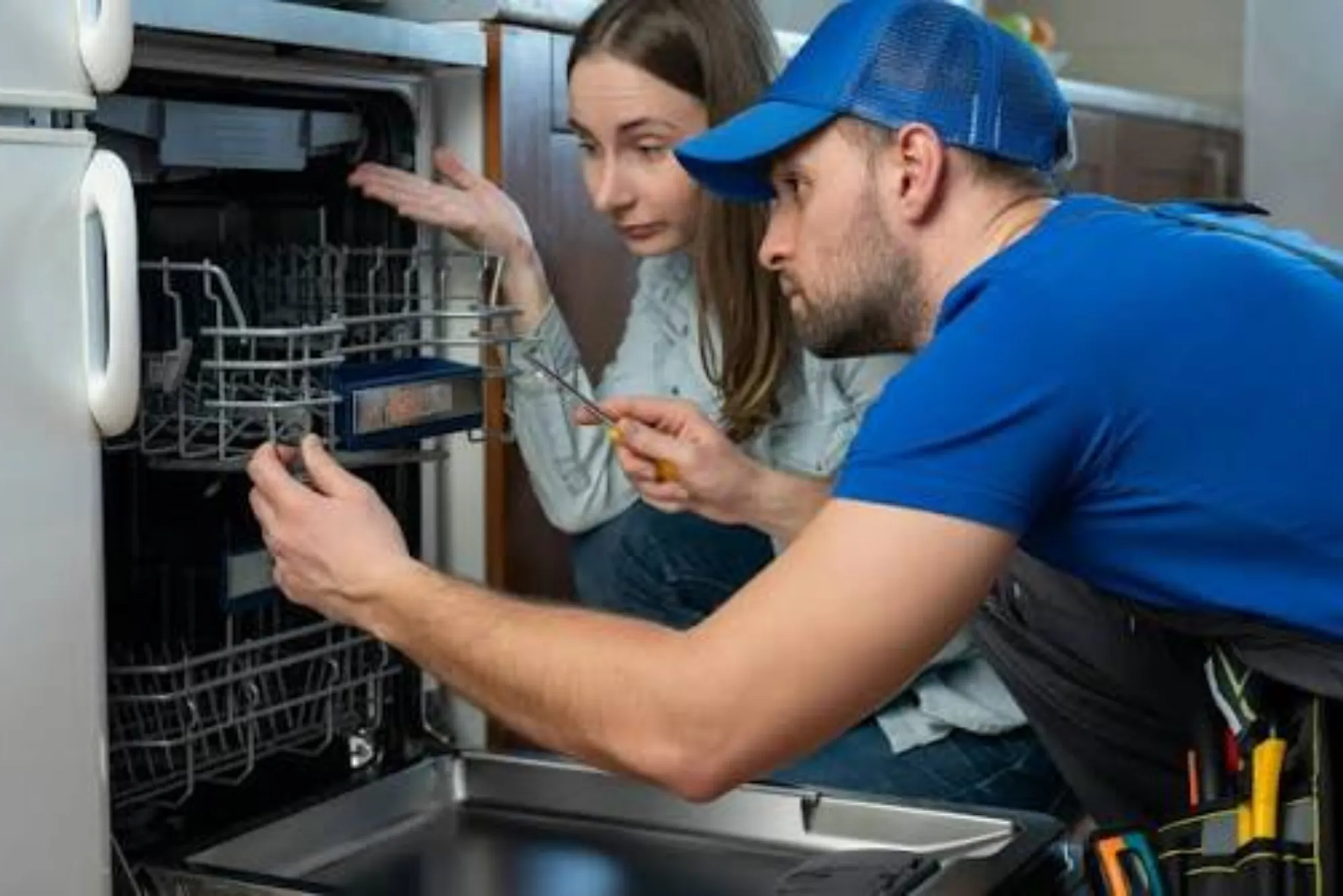
A dishwasher is one of the most convenient appliances in any modern kitchen. When it functions properly, it saves time, reduces water consumption, and helps maintain a clean and hygienic environment. However, like any appliance, dishwashers can develop issues over time that affect performance, efficiency, and reliability.
While some problems are simple enough to identify, others require a more advanced approach to troubleshooting. Understanding the root causes behind poor cleaning results, drainage failures, leaks, unusual noises, and electrical malfunctions can help homeowners make informed decisions before scheduling professional service.
This guide explores advanced dishwasher troubleshooting techniques, common warning signs, and practical diagnostic steps that can help identify problems before they become costly repairs.
Why Advanced Dishwasher Troubleshooting Matters
Many dishwasher problems begin as small performance issues that gradually worsen. A machine that leaves dishes slightly dirty today could eventually stop cleaning altogether. Similarly, a minor leak may develop into significant water damage if ignored.
Advanced troubleshooting focuses on identifying underlying causes rather than simply addressing symptoms. This approach helps:
- Reduce unexpected breakdowns
- Improve appliance efficiency
- Extend dishwasher lifespan
- Prevent costly repairs
- Improve cleaning performance
- Detect electrical and mechanical issues early
Common Dishwasher Problems and Their Causes
| Problem | Possible Cause | Recommended Action |
|---|---|---|
| Not Draining | Blocked filter, clogged drain hose, faulty pump | Inspect and clean drainage components |
| Poor Cleaning | Blocked spray arms, low water pressure | Clean spray arms and check inlet valve |
| Water Leaks | Damaged door seal, loose connections | Inspect gaskets and hoses |
| Won’t Start | Door latch failure, electrical issue | Check power supply and switches |
| Excessive Noise | Worn bearings, debris in pump | Inspect moving components |
| Dishes Not Drying | Heating element malfunction | Test heating system |
Diagnosing Drainage Problems
Drainage issues are among the most frequently reported dishwasher concerns. Standing water at the bottom of the tub is often the first indication that something is wrong.

Inspect the Filter System
Food particles, grease, and debris can accumulate inside the filter assembly. Even partial blockages can restrict water flow and reduce drainage efficiency.
Remove the filter, rinse it thoroughly, and inspect the surrounding sump area for obstructions.
Examine the Drain Hose
A kinked or clogged drain hose can prevent wastewater from exiting the appliance. Disconnect the hose carefully and check for buildup or blockages.
Homeowners facing recurring drainage problems often benefit from consulting experienced dishwasher fixing professionals who can identify hidden restrictions within the drainage system.
Evaluate the Drain Pump
If the filter and hose appear clear, the drain pump may be malfunctioning. Grinding noises, humming sounds, or incomplete draining cycles often indicate pump-related issues.
When Dishes Come Out Dirty
A dishwasher that completes its cycle but leaves dishes dirty is often suffering from water circulation or spray distribution problems.
Check Spray Arms
Spray arms distribute water throughout the dishwasher. Mineral deposits, food particles, and grease can clog spray nozzles and reduce cleaning performance.
Remove the spray arms and clean each opening carefully to restore proper water flow.
Inspect the Water Inlet Valve
The water inlet valve controls the amount of water entering the machine. If insufficient water enters the tub, cleaning effectiveness decreases significantly.
Low water levels may indicate a failing inlet valve that requires testing and possible replacement.
Review Loading Practices
Even advanced dishwasher systems can struggle when dishes block spray patterns. Proper loading improves water circulation and cleaning consistency.
Investigating Dishwasher Leaks
Water leaks should never be ignored. Even small amounts of escaping water can damage flooring, cabinetry, and nearby appliances.
Inspect the Door Gasket
The rubber gasket around the dishwasher door creates a watertight seal. Cracks, tears, or hardened sections can allow water to escape during operation.
Regular inspection helps identify wear before significant leakage occurs.
Check Internal Hoses
Loose hose connections or deteriorated tubing may cause leaks beneath the appliance. Carefully inspect visible connections for moisture or corrosion.
Evaluate the Float Assembly
The float switch regulates water levels inside the dishwasher. If it sticks or fails, excessive water may enter the tub, increasing leak risks.
Professional technicians specializing in dishwasher repair specialists services often test float systems when investigating persistent leakage issues.
Understanding Electrical and Control Board Issues
Modern dishwashers rely heavily on electronic control systems. When these components fail, troubleshooting becomes more complex.
Control Panel Problems
Unresponsive buttons, flashing lights, or interrupted cycles may indicate control panel malfunctions.
Power surges, moisture exposure, and normal wear can all affect electronic controls.
Door Latch Switch Failures
The dishwasher must detect a securely closed door before operation begins. A defective latch switch may prevent startup even when the door appears closed.
Main Control Board Diagnostics
The control board coordinates all dishwasher functions. Failures can produce inconsistent symptoms, including incomplete cycles, drainage errors, or communication faults.
Diagnosing control board issues often requires specialized testing equipment.
Troubleshooting Unusual Noises
Dishwashers normally produce some operational sounds, but unusual noises often indicate developing mechanical problems.
Grinding Sounds
Grinding may occur when foreign objects enter the pump assembly. Small fragments of glass, food debris, or broken utensils are common causes.
Buzzing or Humming
A persistent humming sound may indicate a motor attempting to operate under abnormal conditions.
Restricted pumps, failing motors, or electrical faults can contribute to this issue.
Rattling During Wash Cycles
Loose spray arms, improperly loaded dishes, or worn internal components can create rattling noises during operation.
Advanced Water Heating Diagnostics
Water temperature plays a critical role in dishwasher performance. Insufficient heating can result in poor cleaning and ineffective sanitization.
Heating Element Inspection
The heating element warms water during wash cycles and assists drying functions. Visible damage or discoloration may indicate failure.
Thermostat Testing
The thermostat monitors water temperature and communicates with the control system.
If readings become inaccurate, the dishwasher may not heat water correctly.
Drying Performance Issues
Dishes that remain wet after cycles often indicate heating element or ventilation problems rather than cleaning failures.
The Role of Preventive Maintenance
Many dishwasher failures can be prevented through routine maintenance. Consistent care improves efficiency and reduces long-term repair costs.
Recommended maintenance practices include:
- Cleaning filters monthly
- Inspecting spray arms regularly
- Checking door seals for wear
- Removing mineral buildup
- Inspecting drainage systems
- Running cleaning cycles periodically
For homeowners interested in broader appliance care strategies, resources covering trusted appliance repair services can provide valuable maintenance insights across multiple household systems.
When Troubleshooting Indicates Professional Service Is Needed
While many dishwasher issues can be diagnosed through careful inspection, some problems require professional expertise.
Consider seeking professional assistance when:
- Electrical components require testing
- Control boards appear faulty
- Leaks persist despite gasket replacement
- Drain pumps fail repeatedly
- Water heating problems continue
- Error codes cannot be cleared
Proper diagnosis often prevents unnecessary part replacements and reduces overall repair costs.
How Installation Quality Affects Dishwasher Performance
Unexpected performance issues sometimes originate from improper installation rather than component failure.
Incorrect drain hose routing, poor leveling, inadequate electrical connections, and improper water supply setups can create long-term reliability concerns.
Professional dishwasher installation services help ensure appliances operate according to manufacturer specifications from day one.
Signs Your Dishwasher Is Nearing the End of Its Service Life
Even well-maintained dishwashers eventually reach a point where replacement becomes more practical than continued repairs.
Common indicators include:
- Frequent breakdowns
- Rising repair costs
- Persistent drainage issues
- Major control board failures
- Excessive water consumption
- Declining cleaning performance
Evaluating repair costs against replacement value helps homeowners make informed decisions regarding aging appliances.
Conclusion
Advanced dishwasher troubleshooting goes beyond identifying obvious symptoms. By understanding how drainage systems, water circulation components, electrical controls, heating elements, and installation factors interact, homeowners can diagnose problems more accurately and respond before minor issues become major failures.
Regular maintenance remains the most effective strategy for preserving dishwasher performance and extending appliance lifespan. When complex electrical, mechanical, or control system issues arise, professional diagnosis ensures accurate repairs and protects the long-term reliability of the appliance.
Related Reading: Dishwasher Sensor Replacement
Related Reading: Dishwasher Leaving Residue Sharjah