In luxury interior design, art isn’t just decoration. It’s a key part of the space’s design, influencing our emotions and showing understanding of culture.
Dubai’s architecture is ambitious, and its interiors are spacious. The way light interacts with these spaces changes the art experience. When selecting art here, designers should consider the context, size, materials, and how the art will be used over time.
This guide advises on choosing art, with a focus on luxury villas and apartments in Dubai.
Evaluating the Space Surrounding the Art
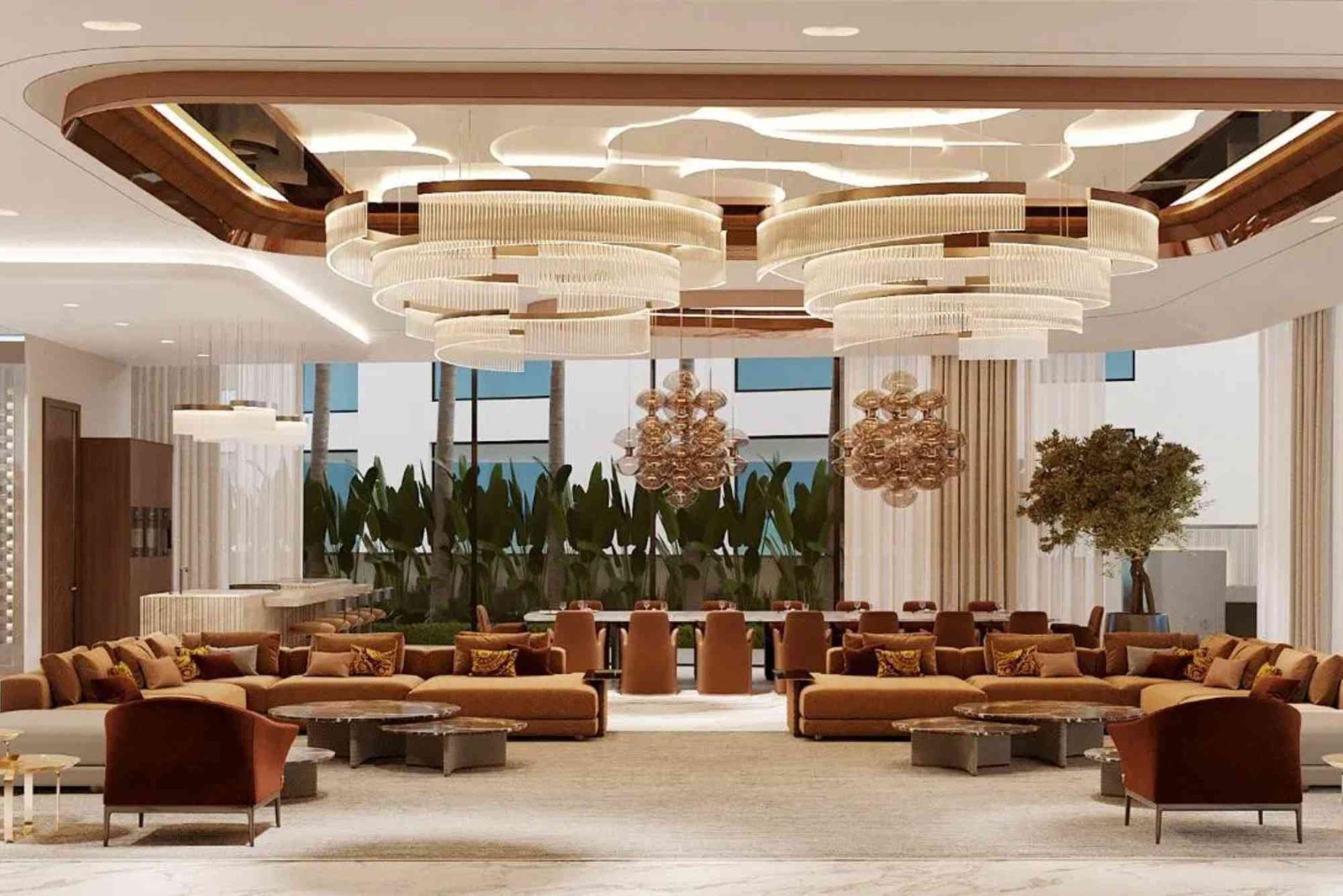
When choosing art, start by understanding the room it will be in, not just what looks good. High-end Dubai interiors usually feature open floor plans, tall ceilings, large walls, and plenty of natural light. These things affect how paintings will look over time.
Because of this, consider the room’s design before choosing art. The design will help determine what looks good and stays right as the room changes.
Wall Size and Flow
A big, open wall works well for art that stands out and has a clear design. Walls broken up into sections need art with exact designs to avoid confusion.
Ceiling Height
The height of the ceiling also affects how people see a painting. For tall rooms, choose art that goes up and down or has layers. This makes it feel balanced to the viewer.
Natural Light Direction
Light from outside can really change how colors look, how light bounces off surfaces, and how textures appear. Think about how daylight will change the art’s look throughout the day. This will help you decide where to put it in Dubai.
Often, people forget to use these basic principles when selecting art for their home. They may choose a painting because it looks fantastic, but may not place it in a spot that visually fits the interior space.
Scale Is Not Size, It Is Visual Weight
In luxury interiors, scale is frequently misunderstood as physical dimension. In reality, visual weight is what determines whether a painting feels appropriate within a space.
The interaction of size, color density, compositional complexity, and surface texture creates visual weight. A large monochromatic canvas may feel lighter than a smaller, densely layered piece. Conversely, heavy textures and high contrast can visually dominate even expansive walls.
To accurately evaluate visual weight, consider how the painting interacts with the surrounding elements. The following characteristics significantly increase perceived visual presence:
- High contrast between dominant tones;
- Dense layering or pronounced texture;
- Complex or fragmented composition.
Understanding these elements allows a painting to command attention without overwhelming architectural harmony.
Color Selection: Precision Over Preference
Color choice in elite interiors should be strategic rather than emotional. A painting must work within the space’s existing chromatic structure while subtly elevating it.
In Dubai, ambient daylight plays a critical role. Warm, intense sunlight amplifies earth tones and metallics while flattening cooler hues during certain hours. Artificial lighting then reverses this balance in the evening. A painting must remain visually stable across these shifts.
Rather than matching colors directly, successful artworks often operate through tonal relationships. They introduce depth, variation, and controlled contrast that strengthen the interior palette instead of duplicating it.
Technique and Material: Designing for Longevity
Artwork should be designed and created to last as long as the luxury interior that it is designed to enhance. The final selection of an artwork technique and material will affect how long the artwork will remain intact and how much care and maintenance will be necessary to maintain its appearance for the rest of its life.
As part of the process of selecting artwork for your interior, you should determine how different painting techniques will behave under varying lighting and climatic conditions.
Therefore, having this information before making your purchase will help you decide on the final artwork to use. For example:
- Oil on canvas results in depth and richness of colour, but requires a good-quality varnish and avoidance of direct light.
- Acrylic paint has much higher resistance to light and humidity, and is therefore well suited to areas that receive a lot of direct sunlight or are designed as open-plan.
- Mixed media is a compelling image; many different materials can comprise a mixed media composition, so you must always examine the permanence and stability of the materials used.
Inferior materials may fade, crack, or discolor within a few years. In elite interiors, such degradation is unacceptable and entirely avoidable with informed selection.
At this stage, many homeowners and designers choose to refine their selection process by working with a curated art gallery in Dubai, where artworks are evaluated not only for aesthetics but also for scale compatibility, material durability, and architectural relevance.
This approach significantly reduces the risk of stylistic imbalance and ensures that the artwork performs as an integral part of the interior over time.
Cultural Context and Visual Intelligence
The culture of Dubai is a product of globalization. The art referenced and displayed in works of luxury must embody the space’s sophistication. Abstract styles often fit naturally within an elite design scheme because they can mimic the flowing nature of space and the rhythm of architecture, as abstract art does.
However, if you want to use a piece of work that tells a story, tells a myth, uses a narrative or other form, you must focus your selection process around who the owner is and what that owner identifies with. There is no consistent way to connect your selection of work to global cultural relevance in Dubai.
You can think of it as achieving global representational language balance while expressing personal and cultural significance through timeliness in creation and execution.
Placement Strategy: Art as a Spatial Anchor
In high-end interiors, paintings function as spatial anchors rather than isolated objects. Their placement shapes furniture alignment, circulation, and the emotional rhythm of the space.
Relationship with Furniture
Artwork should visually connect with furniture groupings rather than appear detached. When aligned correctly, the painting reinforces the spatial composition and creates cohesion within the interior.
Viewing Distance and Scale
Height and scale must respond to how the artwork is viewed within the space. Proper adjustment ensures clarity, balance, and comfort without overpowering the surrounding architecture.
Defining Space in Open Layouts
In open-plan interiors, art can subtly define zones and guide movement. Used with intention, it adds structure without introducing visual noise.
Thoughtful placement allows a painting to function as an architectural element rather than a decorative afterthought.
Art as a Defining Element of the Interior
As a significant component of interior design, art has been used in elite interiors to serve a purpose beyond decoration. Art is a defining element of space placement, proportion enhancement, and refined communication.
The selection of the correct artwork will also take into account the use of light and architecture in harmony, as well as the owner’s aesthetic and intellectual ideals.
Properly selected pieces of art will have greater significance when viewed alongside the other components of a luxury interior. They will reinforce the theme throughout the interior of a high-end Dubai property by providing a sense of quiet strength, a disciplined visual display, and a sense of timelessness.