
Introduction
Understanding How Bloggers Can Use SEO Tools to find low-competition keywords more consistently in 2026 has become one of the most important skills for anyone who wants to grow a blog sustainably. Search engines are now more competitive, and millions of new pages are published every day. Because of this, relying on random keyword ideas no longer works.
Instead, successful bloggers focus on smart keyword research using SEO tools. These tools help identify hidden opportunities where competition is low but search demand is still strong. When used correctly, they allow even new bloggers to rank faster and build steady organic traffic over time.
In 2026, keyword research is no longer about guessing. It is about strategy, data analysis, and understanding user intent. Bloggers who master this approach consistently outperform those who do not.
Why Low-Competition Keywords Are Important in 2026
Low-competition keywords are search terms that are easier to rank for because fewer high-authority websites are targeting them. These keywords are extremely valuable, especially for new or growing websites.
One major advantage is faster ranking. Instead of waiting months or years to appear on page one, bloggers can see results much sooner. This early visibility helps build motivation and momentum.
Another benefit is better return on effort. You invest the same time writing content, but the chances of ranking are much higher. This makes content creation more efficient and rewarding.

Finally, low-competition keywords help build authority. As your blog ranks for more of these keywords, search engines start trusting your site more, which later helps you rank for harder keywords.
The Role of SEO Tools in Modern Keyword Research
SEO tools have changed dramatically in recent years. In 2026, they do much more than just show search volume. They now analyze competition levels, user intent, and even SERP structure.
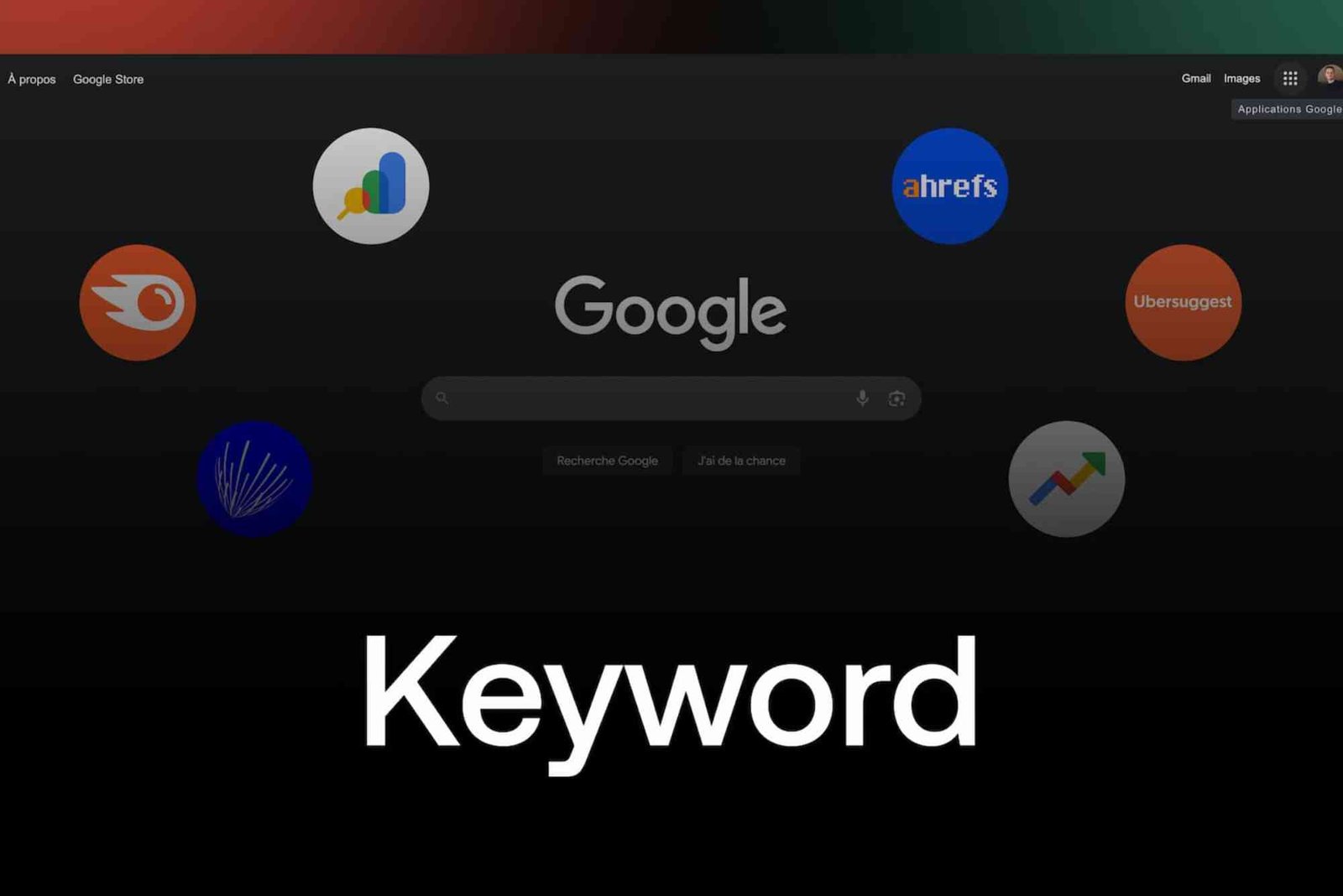
Tools like Ahrefs, SEMrush, and Google Keyword Planner are widely used for keyword discovery. However, AI-powered SEO tools have made keyword research even more accurate by clustering related keywords and predicting ranking difficulty.
These tools help bloggers understand not just what people are searching for, but how difficult it will be to rank for those searches. This makes the entire process more strategic and less random.
When applying How Bloggers Can Use SEO Tools to find low-competition keywords more consistently in 2026, the goal is to combine data with smart decision-making.
Starting with Seed Keywords for Better Results
Every keyword research process begins with seed keywords. These are broad topics related to your niche. For example, a fitness blog might start with terms like weight loss, home workouts, or gym routines.
Once you have seed keywords, SEO tools expand them into hundreds of related keyword ideas. This is where hidden opportunities begin to appear.
The key is consistency. Bloggers who succeed with How Bloggers Can Use SEO Tools to find low-competition keywords more consistently in 2026 always follow a structured process instead of randomly picking topics.
Using Keyword Difficulty to Filter Opportunities
Keyword difficulty is one of the most important metrics in SEO tools. It shows how hard it is to rank for a specific keyword based on competition.
In 2026, smart bloggers focus on keywords with low to medium difficulty scores. This increases their chances of ranking faster, especially if their website is new.
For example, instead of targeting highly competitive terms like “SEO tools,” a better approach would be “best free SEO tools for beginner bloggers in 2026.”
Filtering keywords properly helps eliminate wasted effort and ensures you only target realistic opportunities.
Analyzing Search Results for Weak Competition
SEO is not only about numbers. It is also about analyzing the actual search results.
When you search a keyword, look at the top-ranking pages. If you see outdated content, weak websites, or forum discussions ranking on page one, that keyword becomes a strong opportunity.
This method is extremely effective because it helps you understand real-world competition instead of relying only on tool metrics.
It is a critical part of mastering How Bloggers Can Use SEO Tools to find low-competition keywords more consistently in 2026.
Importance of Long-Tail Keywords
Long-tail keywords are longer and more specific search phrases. They usually have lower competition but higher intent.
For example, instead of targeting “running shoes,” you might target “best running shoes for beginners with flat feet.”
These keywords attract highly targeted traffic, which often converts better.
In 2026, long-tail keywords are one of the most reliable strategies for new bloggers because they are easier to rank for and more aligned with user intent.
Using Competitor Analysis for Keyword Discovery
Another powerful strategy is competitor keyword analysis. SEO tools allow you to enter a competitor’s website and see which keywords they are ranking for.
This helps you find keyword gaps—terms they rank for that you have not targeted yet. By focusing on low-competition gaps, you can quickly build traffic without starting from zero.
This approach is widely used by professional bloggers and SEO experts because it saves time and reduces guesswork.
The Power of Keyword Clustering
Keyword clustering is a modern SEO technique where similar keywords are grouped together. Instead of writing one article per keyword, you can target multiple related keywords in a single article.
For example, keywords like “best running shoes for beginners,” “comfortable running shoes for new runners,” and “running shoes for overweight beginners” can all be included in one content piece.
This improves topical authority and helps search engines understand your content better.
Using Google for Real User Intent
Even with advanced SEO tools, Google itself remains one of the best keyword sources. Features like autocomplete suggestions, related searches, and “People Also Ask” sections provide real user queries.
These queries are extremely valuable because they reflect actual search behavior.
By combining these insights with SEO tools, bloggers can refine their keyword strategy and align it more closely with what users actually want.
Internal Linking for Better Rankings
Internal linking is another important SEO strategy that strengthens your website structure. It helps search engines understand your content hierarchy and distributes ranking power across pages.
For example, you can naturally include a link like seo analysis tools within your content to guide users to more resources here:
Proper internal linking improves crawlability and increases the chances of ranking multiple pages together.
Common Mistakes Bloggers Should Avoid
Many bloggers fail in keyword research because they make simple mistakes. One common mistake is targeting highly competitive keywords too early.
Another mistake is ignoring search intent. Even if a keyword has good volume, it will not rank well if the content does not match user expectations.
Some bloggers also rely too much on SEO tools without analyzing actual search results. This leads to poor keyword choices.
Avoiding these mistakes is essential for success in How Bloggers Can Use SEO Tools to find low-competition keywords more consistently in 2026.
Future of Keyword Research
Keyword research is becoming more advanced and AI-driven. In the future, SEO tools will predict keyword trends before they become competitive.
Voice search, conversational queries, and AI-generated search results will also change how keywords are used.
Bloggers who adapt early will have a significant advantage in search rankings.
Learning How Bloggers Can Use SEO Tools to find low-competition keywords more consistently in 2026 is one of the most valuable SEO skills today. It allows bloggers to grow traffic steadily without relying on high-authority backlinks or expensive strategies.
By using SEO tools effectively, analyzing competition, focusing on long-tail keywords, and understanding user intent, any blogger can build a strong and sustainable online presence.
The key is consistency and smart execution.
FAQs
What are low-competition keywords in SEO?
They are search terms that are easier to rank for because fewer strong websites are targeting them.
Which SEO tools are best in 2026?
Ahrefs, SEMrush, Google Keyword Planner, and AI-based keyword research tools are widely used.
How do beginners find easy keywords?
By using keyword difficulty filters, long-tail keywords, and competitor analysis.
Why are long-tail keywords important?
They are more specific, less competitive, and often have higher conversion rates.
Can new blogs rank without backlinks?
Yes, if they focus on low-competition keywords and high-quality content.
Related Reading: What Are SEO Tools for Bloggers and Which Features Matter Most in 2026?
Related Reading: Best SEO Tools for Bloggers to Find Low-competition Keywords in 2026