
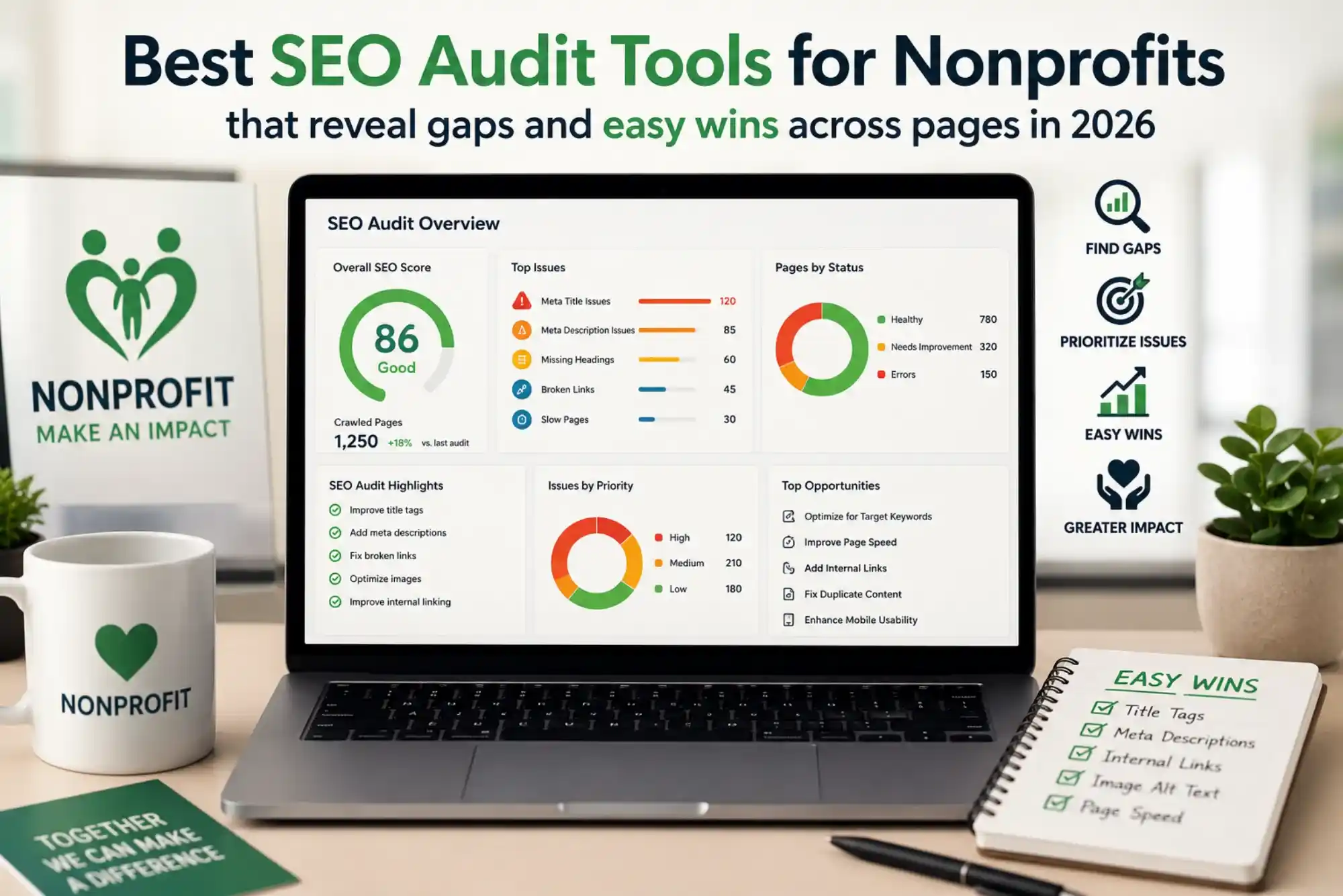
Best SEO Audit Tools for Bloggers That Reveal Gaps and Easy Wins Across Pages in 2026
Finding hidden ranking opportunities has become one of the fastest ways for bloggers to grow organic traffic in 2026. The best SEO audit tools for bloggers do far more than identify broken links or missing metadata. Modern audit platforms uncover content gaps, internal linking opportunities, technical errors, page experience issues, and keyword opportunities that can deliver measurable improvements without creating dozens of new articles.
Quick Answer: The best SEO audit tools for bloggers in 2026 combine technical website analysis, content optimization, keyword gap discovery, and internal linking recommendations. Tools such as Semrush, Ahrefs, Screaming Frog, Surfer SEO, Google Search Console, and Sitebulb help bloggers identify pages with the highest potential for traffic growth and the easiest SEO wins.
As search algorithms continue prioritizing user experience, topical authority, and content quality, relying on guesswork is no longer enough. Successful bloggers use audits to discover what is holding their pages back and where improvements can generate the strongest return on effort.
Why SEO Audits Matter More Than Ever in 2026
Many blogs publish content consistently but fail to achieve sustainable search visibility. The issue is often not a lack of content but overlooked optimization opportunities.
An SEO audit helps identify:
- Pages losing rankings
- Underperforming content
- Technical website issues
- Keyword cannibalization
- Weak internal linking structures
- Slow-loading pages
- Indexing problems
- Content gaps compared to competitors
Understanding how SEO contributes to long-term visibility is essential for every content publisher. Bloggers interested in broader search performance strategies can also explore how SEO helps businesses and websites grow online.

What Makes a Great SEO Audit Tool?
Not all audit tools provide the same level of insight. The strongest solutions focus on actionable recommendations rather than overwhelming users with technical data.
The most valuable SEO audit platforms should provide:
- Technical SEO analysis
- Content quality assessments
- Keyword opportunity discovery
- Internal linking recommendations
- Mobile usability reports
- Core Web Vitals monitoring
- Competitor benchmarking
- Automated reporting features
For bloggers and content creators, usability is just as important as data accuracy.
Best SEO Audit Tools for Bloggers in 2026
1. Semrush Site Audit
Semrush remains one of the most comprehensive SEO platforms available.
Its Site Audit feature scans websites for hundreds of SEO issues and organizes them according to severity and impact.
Key strengths include:
- Technical SEO diagnostics
- Content gap analysis
- Keyword tracking
- Internal linking suggestions
- Competitor research
- Backlink auditing
For bloggers managing large content libraries, Semrush simplifies the process of identifying high-impact improvements.
2. Ahrefs Site Audit
Ahrefs continues to be a favorite among professional SEO specialists and publishers.
Its audit platform excels at finding:
- Crawl issues
- Broken pages
- Duplicate content
- Redirect chains
- Internal linking weaknesses
Ahrefs also provides excellent keyword and competitor intelligence, helping bloggers identify content opportunities their competitors rank for but they do not.
3. Google Search Console
Every blogger should use Google Search Console regardless of budget.
It provides direct performance data from Google, including:
- Search impressions
- Clicks
- Average rankings
- Index coverage issues
- Core Web Vitals reports
- Mobile usability insights
Many quick SEO wins can be discovered simply by identifying keywords already ranking on page two and improving those pages.
4. Screaming Frog SEO Spider
Screaming Frog remains one of the most powerful technical SEO audit tools available.
It crawls websites similarly to search engine bots and helps identify:
- Missing title tags
- Missing meta descriptions
- Broken links
- Duplicate pages
- Redirect issues
- Orphaned content
Although more technical than some alternatives, it delivers exceptional value for serious bloggers.
5. Sitebulb
Sitebulb focuses heavily on visualization and actionable recommendations.
Instead of presenting endless spreadsheets, it highlights issues through intuitive reports and prioritization systems.
This makes it particularly useful for bloggers who want clear guidance on what to fix first.
6. Surfer SEO Audit
Surfer SEO specializes in content optimization.
Its audit capabilities compare your page directly against top-ranking competitors and identify opportunities such as:
- Missing topics
- Content depth improvements
- Keyword relevance enhancements
- Structural adjustments
- Semantic coverage gaps
Content-focused bloggers often discover quick ranking improvements through these recommendations.
Comparison of Popular SEO Audit Tools
| Tool | Best For | Technical SEO | Content Analysis | Competitor Research |
|---|---|---|---|---|
| Semrush | All-in-one SEO | Excellent | Excellent | Excellent |
| Ahrefs | Backlinks and audits | Excellent | Good | Excellent |
| Google Search Console | Performance tracking | Good | Limited | No |
| Screaming Frog | Technical audits | Excellent | Basic | No |
| Sitebulb | Visual reporting | Excellent | Good | Limited |
| Surfer SEO | Content optimization | Limited | Excellent | Moderate |
Easy SEO Wins Most Audit Tools Reveal
The biggest value of an SEO audit is not identifying hundreds of issues. It is finding the small changes that produce meaningful gains.
Improving Existing Rankings
Many pages already rank between positions 8 and 20. Minor updates often push these pages onto the first page of search results.
Audit tools frequently identify:
- Thin content
- Missing headings
- Weak keyword targeting
- Poor search intent alignment
Strengthening Internal Links
Internal linking remains one of the most overlooked SEO opportunities.
Audit platforms can uncover pages that receive little internal authority. Proper internal linking helps search engines understand topic relationships and distribute ranking signals effectively.
For example, bloggers covering online business and marketing topics may naturally connect SEO-related content with discussions about digital marketing for small businesses.
Fixing Crawl and Indexing Issues
Some pages never reach their ranking potential because search engines struggle to crawl or index them correctly.
Common issues include:
- Broken links
- Redirect errors
- Noindex tags
- Duplicate pages
- Poor site architecture
Optimizing Content Depth
Modern search algorithms reward comprehensive coverage of topics.
Content audit tools often reveal missing subtopics that competitors already cover successfully.
[Insert relevant reference link here]
How Bloggers Should Conduct an SEO Audit
Running an audit becomes much more effective when following a structured process.
- Analyze technical website health.
- Review indexing and crawl reports.
- Identify pages losing traffic.
- Find content gaps against competitors.
- Improve internal linking opportunities.
- Update outdated content.
- Optimize page experience and speed.
- Track improvements over time.
Bloggers interested in measuring SEO value can gain additional insight from understanding how much SEO is worth when evaluating optimization investments.
Common SEO Audit Mistakes to Avoid
Even experienced publishers can misinterpret audit results.
- Trying to fix every issue at once
- Ignoring search intent
- Over-optimizing keywords
- Focusing only on technical SEO
- Neglecting content quality
- Ignoring user experience signals
- Failing to monitor progress after changes
A balanced approach typically produces better long-term outcomes than aggressively pursuing every recommendation.
How AI Is Changing SEO Audits in 2026
Artificial intelligence is transforming how SEO professionals analyze websites.
Modern audit tools increasingly provide:
- Automated content recommendations
- Search intent analysis
- Topic gap detection
- Predictive SEO insights
- Content refresh suggestions
- Internal linking automation
AI-powered auditing helps bloggers spend less time gathering data and more time implementing improvements.
The broader impact of digital innovation can also be seen in industries beyond marketing, as explored in discussions about how technology has transformed traditional industries.
Frequently Asked Questions
What is the best free SEO audit tool for bloggers?
Google Search Console is the most valuable free SEO audit tool because it provides direct data from Google regarding rankings, indexing, and website performance.
How often should bloggers run an SEO audit?
Most blogs benefit from a full SEO audit every month, while larger websites may require weekly monitoring of technical and performance issues.
Do SEO audit tools improve rankings automatically?
No. Audit tools identify opportunities and problems. Rankings improve only after implementing the recommended changes.
Which SEO audit tool is best for content optimization?
Surfer SEO is among the strongest content-focused audit platforms because it compares pages directly against top-ranking competitors.
Conclusion
The best SEO audit tools for bloggers in 2026 help uncover hidden opportunities that often generate faster results than publishing new content alone. Whether using Semrush, Ahrefs, Google Search Console, Screaming Frog, Sitebulb, or Surfer SEO, the goal remains the same: identify gaps, prioritize quick wins, and continuously improve content quality and website performance.
Regular audits provide a clearer understanding of what search engines and users expect from your content. Bloggers who consistently review technical health, strengthen internal linking, optimize existing articles, and address content gaps are far more likely to achieve sustainable organic growth in increasingly competitive search results.
Related Reading: FPV Terminal Autonomy: Why Operator Control Plus Target Lock is a Game Changer
Related Reading: Initio Side Effect: A Bold and Unforgettable Fragrance Experience — full guide
Related Reading: Top 5 Football Shoes in the UAE to Own the Pitch — full guide
Related Reading: Financial Audit and Corporate Tax Compliance Services in UAE by Xact Auditing
Related Reading: Best Keyword Research Tools for Bloggers targeting easier keywords with ranking potential in 2026